



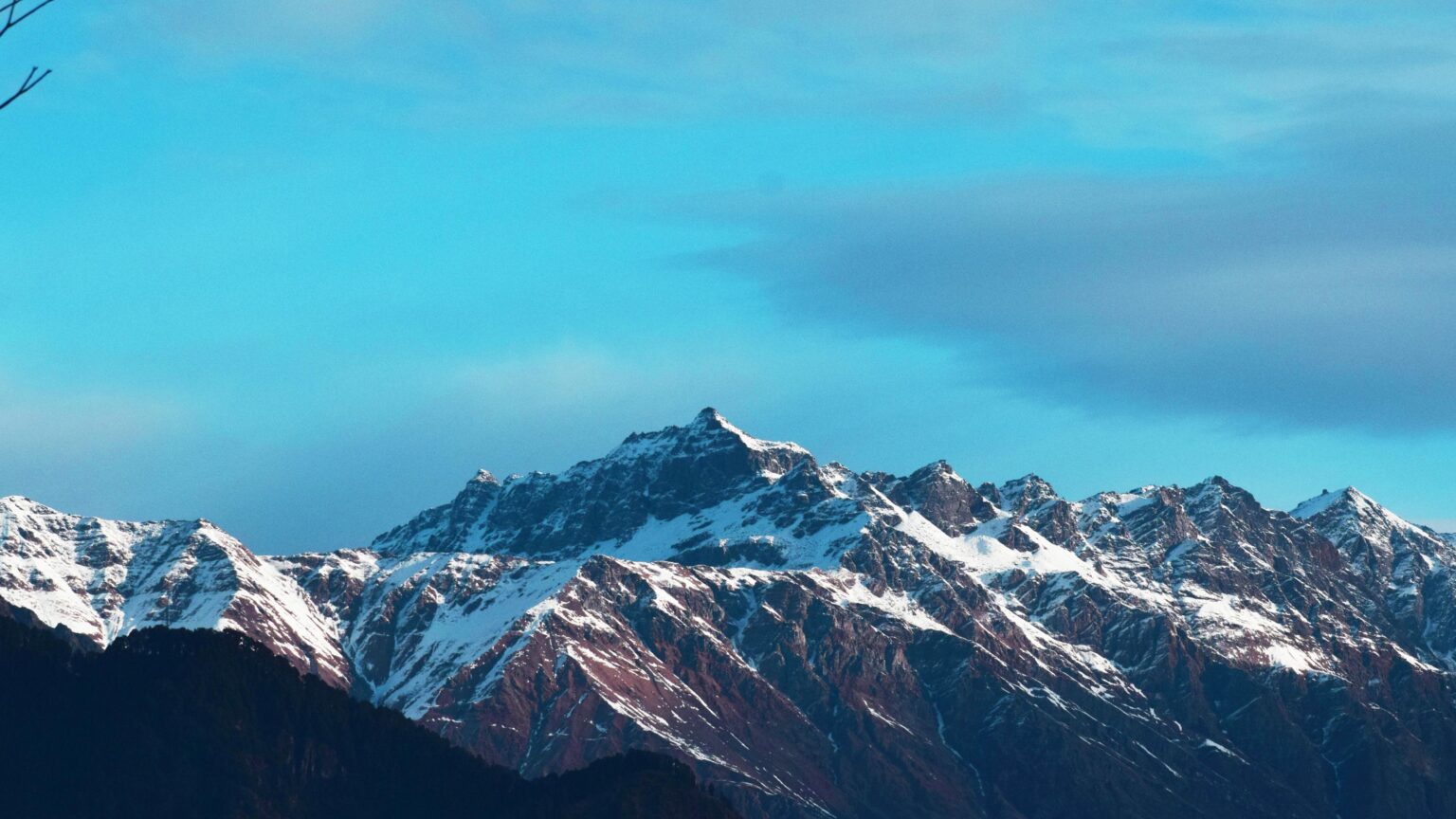
Climate change in the Hindu Kush Himalaya (HKH) is no longer a distant projection; it is an unfolding crisis documented in real-time by Savitimes. As the region warms at an average rate of per decade—nearly three times the global average—the “Third Pole” is witnessing an unprecedented loss of glacier mass. This accelerated melting has led to the proliferation of over 25,000 glacial lakes across the region. The most significant concern for researchers today is the increasing risk of a Glacial Lake Outburst Flood (GLOF), a catastrophic event where natural dams holding back meltwater fail, unleashing destructive torrents on downstream communities.
The Anatomy of a High-Altitude Threat
A Glacial Lake Outburst Flood (GLOF) occurs when the structural integrity of a moraine or ice dam is compromised. These dams are often composed of loose rocks, soil, and ice, which makes them inherently unstable. When these barriers fail, they can release millions of cubic meters of water and debris in just a few hours. The lethal power of a GLOF is amplified by the steep Himalayan terrain, which turns the floodwaters into a wall of debris-laden slurry that can travel dozens of kilometers, obliterating infrastructure and lives.
Scientists categorize these hazards into different types based on their formation. Moraine-dammed lakes are held by loose debris left by retreating glaciers and are considered the most vulnerable to external triggers like ice avalanches, earthquakes, or extreme rainfall. Supra-glacial lakes, which form directly on the surface of a glacier, are highly dynamic and transient, often appearing and draining within a single season.
Satellite Evidence: A Ticking Time Bomb
Technological advancements have allowed the Indian Space Research Organisation (ISRO) and the Central Water Commission (CWC) to monitor these changes with high-resolution satellite imagery. A comprehensive ISRO analysis revealed that at least 89% of the 2,431 glacial lakes identified in the Himalayas have notably expanded since 1984. Even more alarming is the fact that 601 of these lakes have more than doubled in size over the last 38 years.
In India, the CWC reports that the water spread area of glacial lakes has increased by 33.7%, growing from 1,962 hectares in 2011 to 2,623 hectares by late 2024. This expansion is not uniform across the range; Ladakh and Arunachal Pradesh have shown the most significant growth, with hundreds of lakes now requiring “vigorous monitoring” for disaster preparedness.
| State/Region | Expanding Lakes (Count) | Risk Level |
| Ladakh | 133 | Extremely High |
| Arunachal Pradesh | 181 | Extremely High |
| Jammu & Kashmir | 50 | High |
| Sikkim | 44 | High |
| Himachal Pradesh | 13 | Medium-High |
Data Source: CWC 2025 Monitoring Report
From Kedarnath to Nepal: The Toll of Outbursts
The devastating power of a GLOF has been felt repeatedly across the Himalayas. The 2013 Kedarnath disaster remains a painful benchmark, where a breach in the Chorabari lake combined with a cloudburst killed over 5,700 people. More recently, the October 2023 GLOF at South Lhonak Lake in Sikkim destroyed the ₹16,000 crore Teesta-III hydropower project in minutes. This lake, which was only 17 hectares in 1977, had swelled to over 167 hectares just before it burst.
The threat also extends across international borders. In July 2025, a supra-glacial lake in Tibet burst, causing flash floods that damaged Nepal’s Rasuwagadhi port and destroyed a China-built friendship bridge. These events highlight a critical gap in transboundary early warning systems, as downstream communities in Nepal and India often receive little to no warning when lakes in neighboring territories fail.
India’s Proactive Mitigation Strategy
Recognizing the escalating risk, India’s National Disaster Management Authority (NDMA) has transitioned from disaster response to a more scientific risk-reduction approach. The National GLOF Risk Mitigation Programme (NGRMP) has targeted 195 high-risk glacial lakes with an initial investment of $20 million. This multi-disciplinary effort involves conducting field expeditions to assess lake depth (bathymetry), installing automated weather stations (AWS), and implementing engineering interventions.
One successful mitigation technique has been the use of High-Density Polyethylene (HDPE) pipes to siphon water out of dangerous lakes. This method was used at South Lhonak Lake in 2016 to lower water levels and reduce the pressure on its moraine dam. Additionally, the ITBP has been deployed as a manual early warning relay system in remote, high-altitude zones where technology is difficult to maintain.
As global temperatures continue to rise, the fragility of the Himalayan cryosphere remains a paramount concern for Savitimes. Addressing these risks requires a holistic approach that integrates advanced satellite monitoring with community-based disaster management and international cooperation. The protection of this “Water Tower of Asia” is essential for the security and livelihood of millions across the continent.